
Based in Brussels. Engaged across the world.
Intelligence Is Becoming Infrastructure
The Constantia Institute studies how AI, data systems, and intelligent physical environments reshape organizations, governance, and economic resilience.
As AI, IoT, and edge computing become embedded into workplaces, supply chains, and communication platforms, resilience is no longer an operational afterthought. It is a design principle.
We work with enterprises, regulators, and investors to ensure that intelligent environments are interoperable, compliant, adaptive, and built for long-term societal value.
Intelligence is becoming infrastructure.
AI is embedded into buildings, supply chains, communication systems, and operational platforms. As digital systems become physical systems, resilience must be engineered, not retrofitted.
The Constantia Institute examines how intelligent environments, data governance, and organizational resilience converge and how they must be designed to remain secure, interoperable, and adaptable under regulatory and market pressure.
Our Core Focus Areas
Intelligent Environments & Smart Infrastructure
We study how IoT, edge computing, AI, and operational technology transform physical environments into adaptive systems.
Focus areas include:
• Smart Workspaces as a Service (SWaaS)
• Hybrid workplace orchestration
• Sensor-driven environments
• Interoperable building systems
• Data-enabled facilities management
[ Learn More → ]
Data Governance & Synthetic Intelligence
AI systems depend on data. We examine the strategic, regulatory, and operational implications of synthetic data, bias, privacy, and cloud-based model training.
Focus areas include:
• Synthetic data risk assessment
• Model validation frameworks
• Privacy-compliant data augmentation
• AI bias mitigation
• Regulated industry exposure
[ Explore Research → ]
Featured Whitepapers
Organizational & Digital Resilience
Resilience is no longer just operational — it is structural.
We advise on how infrastructure, workforce systems, supply chains, and governance frameworks must evolve to withstand disruption and regulatory scrutiny.
Focus areas include:
• Organizational resilience strategy
• DORA and EU regulatory alignment
• Infrastructure interdependency mapping
• CIO-level resilience design
• Agile governance models
[ View Insights → ]
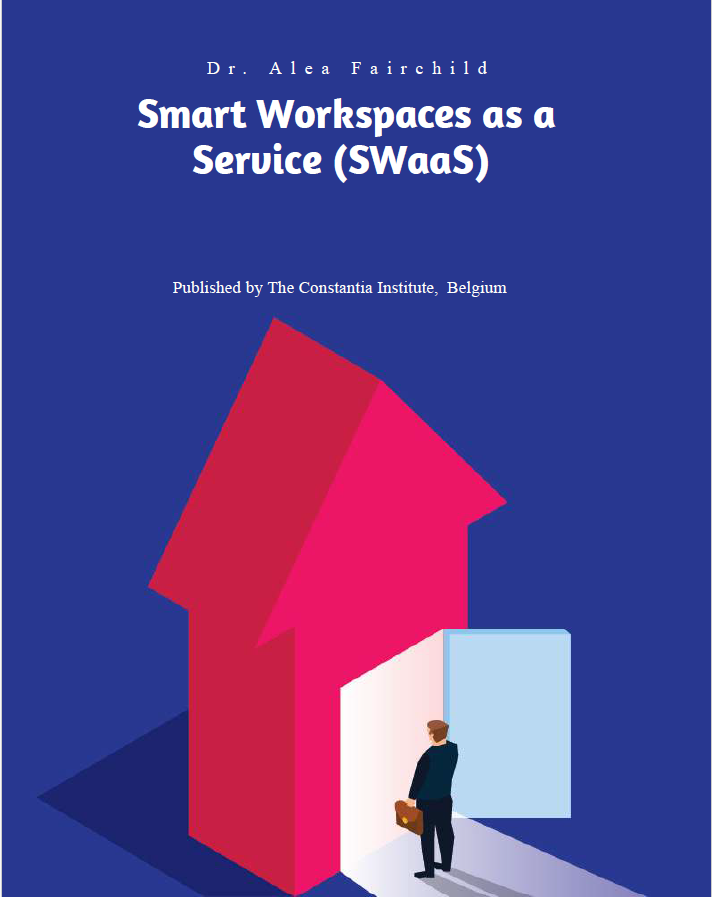
Smart Workspaces as a Service (SWaaS)
Designing adaptive physical environments where AI, IoT, and operational systems harmonize to improve productivity and experience.
[ Download PDF ]
How Useful is Synthetic Data?
Evaluating the strategic benefits — and regulatory risks — of artificial training data in AI systems.
[ Download PDF ]
Organizational Resiliance
Moving beyond compliance toward adaptive, regulation-ready infrastructure in uncertain environments.
[ Download PDF ]
WHY THIS MATTERS?
The Convergence Challenge
Organizations face a structural shift:
• Physical environments are becoming programmable.
• Data systems are becoming regulatory liabilities.
• Communication platforms are external dependencies.
• Compliance is not the same as resilience.
Boards, CIOs, investors, and regulators must understand how these systems interact — and where risk accumulates.
The Institute provides analysis and advisory at this intersection.
Advisory & Strategic Engagement
We support:
• Boards and senior leadership
• CIOs and digital infrastructure teams
• Venture investors and due diligence teams
• Regulators and public institutions
Engagement formats include:
• Strategic workshops
• Technology risk evaluation
• Infrastructure governance frameworks
• Due diligence and ecosystem mapping
• Executive education and briefings
About The Constantia Institute
The Constantia Institute is a Brussels-based research and advisory institute focused on intelligent infrastructure and governance in the AI era.
Our work bridges technology architecture, economic systems, and regulatory frameworks to ensure that intelligent environments remain interoperable, resilient, and societally aligned.